

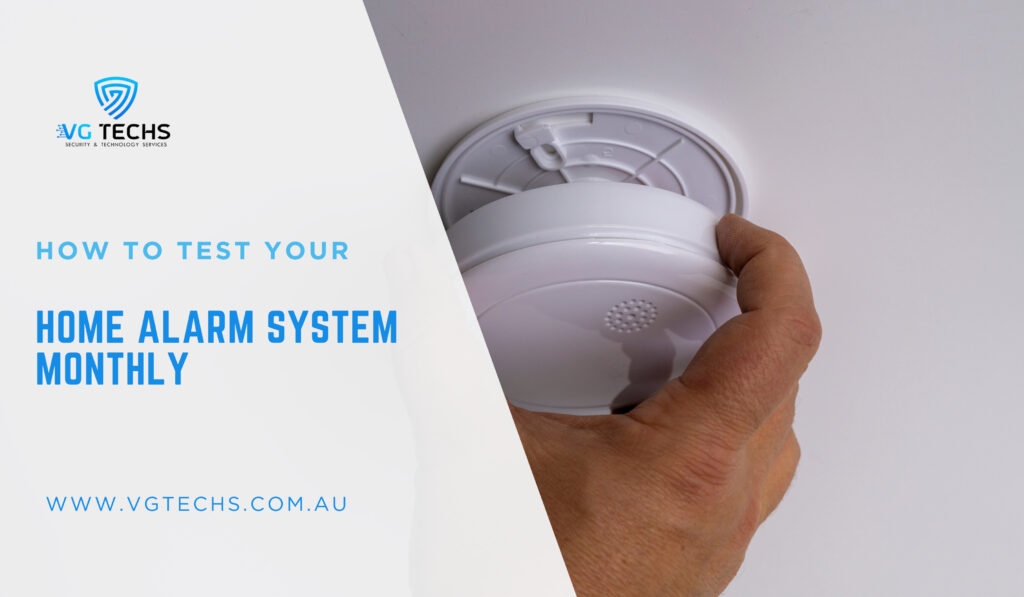
You have protected your property by installing a professional home alarm system. However, many homeowners feel uncertain about how to properly test their alarm system each month. The good news is that monthly alarm testing is simple and only takes a few minutes.
Regular testing helps ensure your alarm system is functioning correctly and ready to protect your family and property when needed. A small issue left unnoticed today could become a major security risk tomorrow.
If you have invested in home security systems perth, performing regular checks is one of the best ways to maintain optimal performance and long-term reliability.
In this guide prepared by our experts at VG Techs, we’ll walk you through the simple steps required to test your alarm system effectively and keep your home protected year-round.
Why Monthly Alarm Testing Is Important
Your alarm system is your first line of defence against break-ins, emergencies, and security threats. Like any electronic device, alarm components can experience wear and tear over time.
Monthly testing helps you:
- Identify faulty sensors early.
- Ensure alarm sirens are functioning correctly.
- Verify communication with monitoring services.
- Detect low battery issues.
- Maintain overall system reliability.
- Reduce the risk of false alarms.
Regular inspections provide peace of mind knowing your alarm system is ready to perform when it matters most.
1. Set the System to Test Mode
Before starting any tests, place your alarm system into test mode. This can usually be done through your monitoring company, mobile app, or control panel.
Activating test mode prevents emergency dispatches while you intentionally trigger alarms. Skipping this step could result in unnecessary calls to emergency services.
Always confirm the system is in test mode before proceeding.
2. Test Each Sensor
Open and close every protected door and window to ensure sensors are detecting activity correctly.
You should also:
- Test glass-break detectors.
- Check motion sensors by walking through protected areas.
- Verify smoke and environmental sensors if connected.
Many modern wireless home alarm systems perth include mobile app guidance that helps homeowners identify and test individual devices quickly and efficiently.
3. Trigger the Alarm
Once sensors have been checked, arm the system and intentionally trigger an alarm event.
You can do this by:
- Opening a protected door.
- Activating a motion detector.
- Triggering another connected security device.
Listen carefully to ensure the siren sounds clearly and loudly throughout the property. Weak alarm volume may indicate speaker or power-related issues.
4. Check Communication Functions
An alarm system is only effective if it can communicate during an emergency.
After triggering the alarm:
- Verify notifications arrive on your smartphone.
- Confirm signals reach the monitoring centre.
- Check email or SMS alerts.
- Review event logs within the system.
Reliable communication ensures that help can be dispatched promptly when required.
5. Turn Off Test Mode and Reset the System
After completing all tests:
- Disarm the alarm system.
- Clear any alarm events.
- Return the system to normal operating mode.
- Confirm monitoring services have resumed.
Failing to reactivate monitoring could leave your property vulnerable.
6. Inspect Power Supplies
Power issues are one of the most common causes of alarm failures.
During your monthly inspection:
- Check backup batteries.
- Inspect power adapters.
- Look for warning messages.
- Replace batteries showing low voltage.
A healthy power supply ensures your system remains operational even during power outages.
Expert Tips For Efficient Alarm System Testing
To make testing easier and more effective:
- Use mobile apps or customer portals for guided testing.
- Keep alarm firmware and software updated.
- Maintain a backup power source.
- Schedule monthly inspections.
- Arrange professional servicing annually.
- Record any faults for future maintenance.
Professional inspections can often identify hidden issues that homeowners may overlook.
Why Professional Alarm Monitoring Matters
While monthly self-testing is important, professional monitoring provides an additional layer of protection.
Professional monitoring services:
- Respond quickly to emergencies.
- Monitor your property 24/7.
- Verify alarm events.
- Coordinate emergency assistance.
- Reduce response times.
This ensures your property remains protected even when you’re away from home.
Get Your Home Alarm Monitored By Professionals With VG Techs
Monthly alarm testing is one of the simplest ways to maintain a reliable security system. By checking sensors, communication channels, sirens, and power supplies regularly, you can identify issues before they become serious security concerns.
At VG Techs Perth, we understand that many homeowners have busy schedules and may not always have the time or expertise to properly monitor their alarm systems.
Our experienced security specialists provide professional alarm installation, maintenance, monitoring, and support services tailored to your specific needs. Whether you’re upgrading an existing security setup or looking for complete protection for your property, our team is committed to delivering dependable security solutions across Perth.
Protect What Matters Most With VG Techs
Don’t wait until a security issue occurs to discover a problem with your alarm system. Let VG Techs help you maintain complete peace of mind with professional alarm monitoring, maintenance, and security solutions.
Contact VG Techs today to schedule a professional alarm system inspection and keep your home protected 24/7.
Frequently Asked Questions
How often should I test my home alarm system?
Testing your home alarm system once every month is considered the industry-recommended practice for maintaining reliable performance. Monthly testing allows homeowners to identify issues with sensors, batteries, communication systems, and alarm sirens before they become serious problems. In addition to your monthly checks, it is also a good idea to perform a test after power outages, severe weather conditions, software updates, or whenever changes are made to the system. Consistent testing ensures every component is functioning correctly and that monitoring services can receive emergency alerts when needed. Homeowners who follow a regular testing schedule often experience fewer system failures and greater peace of mind. If you are unsure how to perform a complete system check, a professional security technician can assist with routine maintenance and inspections.
What should I do if a sensor fails during testing?
If a sensor does not respond during testing, begin by checking the sensor’s battery, positioning, and physical condition. Dust, debris, loose mounting brackets, or battery issues are common causes of sensor failures. You should also inspect the control panel for error messages or communication faults. Sometimes simply replacing the battery can resolve the issue immediately. If the problem persists, consult the manufacturer’s troubleshooting guide or contact your alarm monitoring provider for assistance. Avoid ignoring malfunctioning sensors because they create gaps in your home’s security coverage. Prompt repairs ensure your alarm system remains fully operational and capable of detecting intrusions or emergencies. Professional technicians can quickly diagnose faulty sensors and replace defective components if necessary.
Can I test my alarm system without professional assistance?
Yes, most modern alarm systems are designed to allow homeowners to perform routine monthly testing themselves. Many systems include built-in test modes, smartphone applications, and user-friendly control panels that guide users through the process. Homeowners can test sensors, sirens, notifications, and communication functions without requiring specialised tools. However, professional assistance is recommended for complex systems, commercial-grade installations, or whenever persistent faults are detected. Security professionals have access to advanced diagnostic tools and can identify hidden issues that may not be visible during routine testing. Combining monthly self-testing with annual professional inspections provides the best balance between convenience and comprehensive security protection.
Why is alarm communication testing important?
Alarm communication testing verifies that your system can successfully send alerts to monitoring centres, mobile devices, and emergency contacts during an actual emergency. Even if sensors and sirens are functioning correctly, communication failures can prevent emergency responders from receiving critical information. During monthly testing, homeowners should confirm that notifications are delivered correctly through all configured channels, including smartphone apps, text messages, emails, and monitoring services. Communication failures may result from network issues, outdated software, damaged equipment, or configuration errors. Regular testing helps identify these problems early and ensures your alarm system remains capable of alerting the appropriate people when immediate action is required. Reliable communication is a vital component of any effective security system.
How can professional monitoring improve my home security?
Professional monitoring adds an extra layer of protection that goes beyond what a standalone alarm system can provide. Monitoring centres operate around the clock and respond immediately when an alarm is triggered. Trained operators assess alerts, verify emergencies, and contact emergency services when necessary. This continuous oversight is especially valuable when homeowners are asleep, travelling, or unable to respond to notifications. Professional monitoring can also reduce response times and provide reassurance that security incidents are being handled promptly. Many monitored systems include additional features such as remote access, activity tracking, and emergency support services. By combining regular system testing with professional monitoring, homeowners can achieve a significantly higher level of security and peace of mind.