

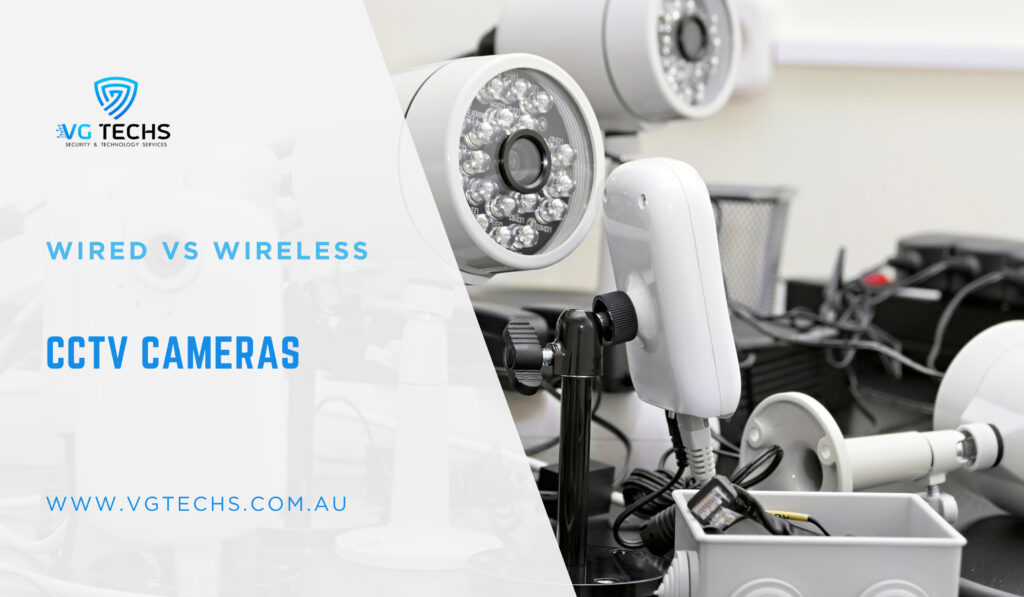
Wired Vs Wireless CCTV Cameras: Which One Is Better?
Looking for new CCTV security Perth solutions for your home or business? CCTV cameras are one of the most effective ways to improve the safety of your property, family, staff, and valuable belongings.
With smart technology becoming more advanced in 2026, many people are now comparing wired and wireless systems before making a decision. Both options come with unique benefits and limitations. The right choice depends on your property size, internet availability, installation preferences, and long-term security goals.
To help you make the right decision, let’s explore the latest features, advantages, and disadvantages of both systems in simple terms.
Pros of Wired CCTV Cameras
Reliable And Stable Connection
Wired CCTV cameras use physical cables to transfer video footage. This creates a more stable and uninterrupted connection compared to wireless systems. They are less likely to experience lag, interference, or signal drops.
Continuous Power Supply
These cameras receive direct power from the electrical system, so there is no need to recharge batteries regularly. This makes them suitable for 24/7 monitoring.
Higher Video Quality
Modern wired systems now support ultra-HD 4K and AI-powered video analytics. Because data travels through cables, footage quality usually remains clearer and more consistent.
Better Cybersecurity Protection
Since wired cameras are not fully dependent on wireless signals, they reduce the chances of hacking or signal interception. This makes them ideal for businesses and larger properties requiring stronger protection.
Ideal For Large Properties
Wired systems work well for warehouses, offices, schools, and bigger homes where multiple cameras are required for long-term monitoring.
Cons Of Wired CCTV Cameras
Installation Can Be Complex
Installing cables through walls, roofs, or ceilings may require professional assistance. This can increase installation costs and setup time.
Limited Flexibility
Once installed, moving the cameras to another location often requires rewiring.
Vulnerable To Physical Damage
Exposed wires may get damaged due to weather, pests, or tampering. Professional cable management helps minimise this issue.
Blackout Dependency
Without backup power such as a UPS or battery backup, wired cameras may stop working during power outages.
Pros Of Wireless CCTV Cameras
Easy Installation
Wireless cameras are simpler to install because they require minimal wiring. Many systems are now designed for DIY installation.
Flexible Placement
You can easily move cameras whenever needed. This makes them perfect for renters, apartments, and temporary setups.
Remote Monitoring
Most modern systems connect to mobile apps and cloud platforms, allowing real-time viewing from smartphones, tablets, or laptops.
Smart AI Features
Many newer wireless systems include AI motion detection, facial recognition, package detection, and instant alerts. These smart features are becoming increasingly popular in wireless security systems perth homes and businesses.
Easy Expansion
Wireless systems make it easier to add more cameras later without additional cabling work.
Cons Of Wireless CCTV Cameras
Wi-Fi Signal Interference
Walls, distance from the router, or multiple connected devices may affect video quality or cause delays.
Battery Maintenance
Battery-powered models require charging or battery replacement regularly.
Internet Dependence
Many wireless systems rely heavily on internet connectivity for cloud storage and remote access features.
Potential Hacking Risks
Poorly secured networks may become vulnerable to cyberattacks. Using strong passwords, encrypted networks, and regular firmware updates improves safety.
Latest CCTV Trends In 2026
The CCTV industry has evolved significantly over the last few years. Here are some of the latest trends shaping modern security systems:
AI-Powered Surveillance
Modern cameras can now detect unusual movement, recognise faces, and differentiate between humans, pets, and vehicles.
Cloud-Based Storage
Cloud storage allows users to access recordings securely without depending only on local hard drives.
Smart Home Integration
Many CCTV systems now integrate with Google Home, Alexa, and smart locks for better automation.
Colour Night Vision
Advanced cameras provide full-colour night vision for improved visibility in low-light conditions.
Solar-Powered Wireless Cameras
Eco-friendly solar-powered systems are becoming more popular for remote and outdoor installations.
Which One Should You Choose?
Choosing between wired and wireless CCTV cameras depends on your specific security needs.
Wired systems are better suited for large homes, offices, warehouses, and businesses that require stable performance and continuous recording. They are highly reliable and ideal for long-term surveillance.
Wireless cameras are excellent for smaller homes, apartments, retail shops, and users wanting flexibility, smart features, and easy installation. Many homeowners also combine CCTV with wireless alarm systems perth solutions for complete smart security protection.
Before making your final decision, consider:
- Your budget
- Property size
- Internet availability
- Need for remote access
- Future scalability
- Installation requirements
Get A World-Class Home Security System In Perth From VG Techs
At VG Techs, we understand how important safety and peace of mind are for your family and business. Our experienced team provides advanced CCTV solutions tailored to your specific property needs.
We offer high-quality security cameras with smart monitoring features, remote mobile access, AI-powered alerts, and professional installation support. Whether you need a wired setup for a large commercial property or a flexible wireless system for your home, our experts can help you choose the right solution.
Our team focuses on reliability, quality workmanship, and long-term customer satisfaction so you can feel confident your property is protected day and night.
Contact VG Techs today to discuss the best CCTV solution for your home or business and take the first step towards a safer and smarter property.
FAQs
1. Which CCTV camera is better for home security, wired or wireless?
Both wired and wireless CCTV cameras offer excellent security, but the right option depends on your property and requirements. Wired systems are generally more reliable because they use direct cable connections, reducing interference and signal loss. They are suitable for larger homes and long-term installations. Wireless cameras are easier to install and offer remote access through mobile apps, making them ideal for apartments, small homes, and renters. Modern wireless systems also include smart AI features such as motion detection and real-time alerts. If you need flexibility and quick installation, wireless systems are a great option. If you prioritise continuous recording and stability, wired cameras are often the better choice for residential security.
2. Do wireless CCTV cameras work without internet?
Yes, some wireless CCTV cameras can still record footage without internet access, especially systems that use local SD cards or Network Video Recorders (NVRs). However, many advanced features, such as remote viewing, cloud storage, instant notifications, and mobile app monitoring, require an active internet connection. Without the internet, you may only be able to access recordings directly from the device itself. Internet quality also affects live streaming performance and cloud backup reliability. For users in remote locations with limited internet availability, wired CCTV systems or hybrid recording solutions can sometimes provide a more dependable security setup while still allowing local video storage and monitoring capabilities.
3. Are wireless CCTV cameras secure from hackers?
Modern wireless CCTV cameras are much safer than older models because manufacturers now use advanced encryption technologies and secure cloud platforms. However, like any internet-connected device, they can still become vulnerable if users do not follow proper security practices. Using strong passwords, enabling two-factor authentication, updating firmware regularly, and securing your Wi-Fi network significantly reduces hacking risks. Purchasing security systems from trusted installers and reputable brands also improves protection. Many newer systems now include cybersecurity updates and encrypted communication between cameras and mobile devices. Proper setup and maintenance are the key factors in keeping wireless CCTV systems secure and protecting your privacy.
4. How long do CCTV cameras usually last?
The average lifespan of a quality CCTV camera is generally between 5 and 10 years, depending on the brand, installation quality, weather exposure, and maintenance. Outdoor cameras may experience faster wear due to harsh sunlight, rain, dust, or storms. Regular servicing, software updates, and professional installation help extend the life of the system. Modern cameras are also becoming more durable with weatherproof casings and improved technology. While the hardware may last several years, some homeowners choose to upgrade earlier to access newer features such as AI analytics, colour night vision, cloud storage, and smart home integration. Investing in quality equipment usually provides better long-term performance and reliability.
5. Can CCTV cameras reduce crime around homes and businesses?
Yes, CCTV cameras are proven to help reduce criminal activity by acting as a strong visual deterrent. Visible surveillance systems discourage trespassing, theft, vandalism, and suspicious behaviour because criminals are less likely to target monitored properties. Modern systems also provide real-time alerts, allowing faster responses during emergencies. Businesses benefit from improved staff safety, monitoring, and evidence collection, while homeowners gain peace of mind knowing their family and property are protected. In many cases, recorded footage can also support police investigations and insurance claims. Combining CCTV systems with alarms, motion sensors, and proper lighting creates a much stronger overall security setup for both residential and commercial properties.