

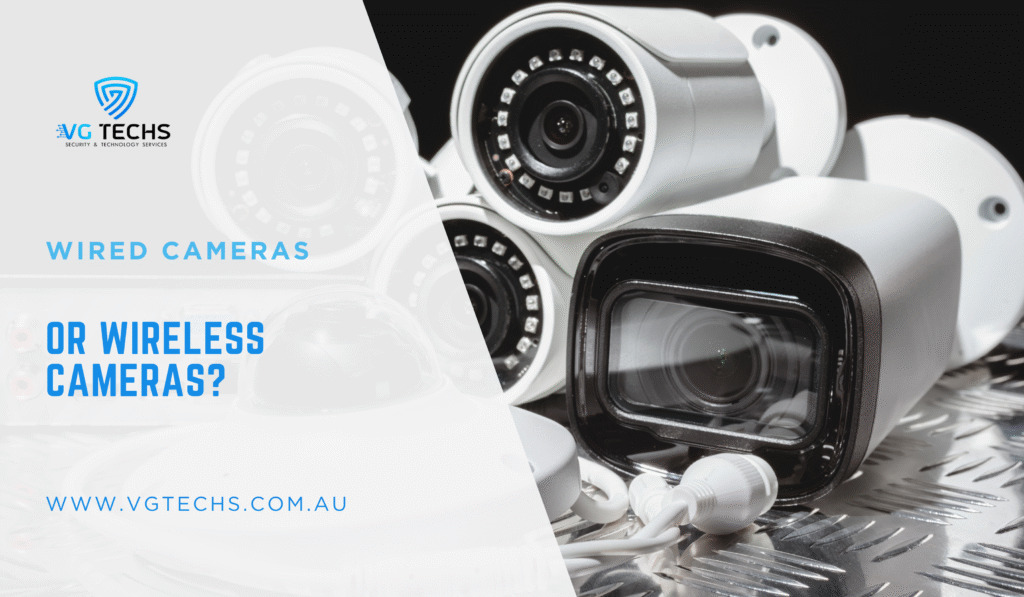
Why Wired Security Cameras Are Better Than Wireless Ones
If you are planning to upgrade your property security, choosing between wired and wireless cameras can feel confusing. While wireless systems are popular because of their simple setup and advertising hype, modern wired systems continue to lead the industry in reliability, performance, and long-term protection. For homeowners and businesses looking for dependable surveillance, a professionally installed wired system remains the smarter investment.
Today’s advanced wired cameras include AI-powered motion detection, colour night vision, smart analytics, remote mobile viewing, and seamless integration with alarms and smart devices. These improvements make wired surveillance more effective than ever before.
If you are searching for a dependable home security system perth, understanding the difference between wired and wireless systems is essential before making a decision.
1. Reliability and Stable Performance
One of the biggest advantages of wired security cameras is their dependable connection. Wired systems use physical cabling to connect cameras directly to the recorder, reducing the chances of interruptions, lag, or signal loss.
Wireless cameras rely heavily on Wi-Fi strength. In modern homes filled with smart TVs, gaming consoles, mobile devices, and streaming services, wireless signals can become congested. This can lead to delayed footage, buffering, or missing recordings during critical moments.
New-generation wired systems now support Power over Ethernet (PoE), allowing both power and data to travel through a single cable. This creates cleaner installations and highly stable performance for continuous monitoring.
2. Superior Image Quality and Recording
Modern wired cameras deliver outstanding video clarity with resolutions ranging from 4MP to 4K Ultra HD and beyond. Since footage is transferred through direct cabling, there is minimal compression loss compared to wireless systems.
This means sharper facial recognition, clearer number plate capture, and improved evidence quality. Advanced features such as ColorVu technology, smart infrared night vision, and AI-enhanced image processing now allow wired systems to provide detailed recordings even in very low-light environments.
For properties requiring professional surveillance, higher image quality can make a major difference in identifying suspicious activity.
3. Flexible Installation for Larger Properties
Wireless cameras may work adequately in small apartments, but they often struggle in larger homes, double-story properties, warehouses, and commercial spaces where Wi-Fi signals weaken through walls and long distances.
Wired systems provide far greater flexibility because cameras can be installed exactly where protection is needed without depending on wireless signal strength. This allows full perimeter coverage, including garages, driveways, entrances, backyards, offices, and outdoor areas.
Professional installers can also integrate wired cameras with intercoms, alarms, and smart access systems for complete property protection.
4. Better Physical Security Against Tampering
Security cameras should not be easy to remove or disable. Many wireless cameras are battery-operated and designed for quick removal during charging. Some models use magnetic mounts that can be detached within seconds.
Wired cameras are typically secured using anti-tamper mounting systems and fixed cabling. Modern AI-powered systems can even detect obstruction attempts, camera movement, or tampering activities and instantly send alerts to your smartphone.
This extra level of protection is especially important for businesses, retail stores, and vulnerable outdoor areas.
5. Improved Cybersecurity Protection
Cybersecurity is becoming increasingly important in modern surveillance systems. Wireless cameras connected through cloud-based services may face higher risks from hacking attempts, unauthorised access, and data breaches.
Modern wired systems provide stronger security because footage is often stored locally on secure Network Video Recorders (NVRs). Many advanced systems now support encrypted communication, multi-factor authentication, and secure remote access through dedicated apps.
Because wired systems rely less on cloud infrastructure, they generally offer better privacy protection for homeowners and businesses.
6. No Battery Charging or Downtime
Battery maintenance is one of the biggest frustrations with wireless cameras. Batteries drain faster during extreme temperatures, frequent motion alerts, or high recording activity.
Australian weather conditions, particularly hot summers, can significantly reduce battery performance. Missing recordings because of flat batteries can leave your property exposed.
Wired cameras receive continuous power directly from the system, allowing uninterrupted 24/7 recording without the need for charging or battery replacements. This makes them ideal for long-term security monitoring.
7. Lower Long-Term Costs
Wireless cameras may appear affordable initially, but ongoing expenses often increase over time. Subscription fees for cloud storage, premium app features, battery replacements, and hardware upgrades can become costly.
Many cloud-based systems charge annual fees per camera for storing recordings or unlocking important features such as smart notifications and high-definition playback.
Wired systems typically involve higher upfront installation costs, but they provide excellent long-term value with lower maintenance requirements and no recurring subscription expenses for local storage setups.
8. AI Features and Smart Surveillance Trends
Modern wired surveillance systems are now powered by artificial intelligence. Current technology trends include:
- Smart human and vehicle detection
- Intrusion zone alerts
- Facial recognition capabilities
- Active deterrence with sirens and flashing lights
- Full-color night vision
- Smart mobile app monitoring
- Remote playback and instant notifications
- Integration with smart home systems
These advanced features help reduce false alarms while improving real-time security response.
For homeowners considering professional home security camera installation perth, AI-powered wired systems offer significantly more advanced protection than most standard wireless setups.
Final Verdict: Wired vs Wireless Security Cameras
When comparing wired and wireless security systems, wired cameras continue to deliver superior reliability, image quality, cybersecurity, and long-term value.
Wired systems offer:
- Stable and uninterrupted performance
- High-definition video quality
- Better protection against tampering
- Continuous recording without battery issues
- Enhanced cybersecurity
- Advanced AI-powered monitoring
- Better scalability for larger properties
- Lower long-term ownership costs
Wireless cameras may suit temporary or basic monitoring needs, but professionally installed wired systems provide stronger security and greater peace of mind for homes and businesses.
Why Choose VG Techs?
At VG Techs, we specialise in professional security solutions tailored for residential and commercial properties across Perth. Our experienced team supplies and installs trusted surveillance brands, including Dahua Technology, Hikvision, and Uniview.
We provide customised security solutions designed for maximum protection, reliability, and ease of use.
Contact VG Techs Today
Looking for a reliable wired security camera system for your property?
Contact VG Techs today for expert advice, professional installation, and tailored surveillance solutions for homes, offices, warehouses, and commercial spaces across Perth. Our team can help you choose the right system to match your security needs and budget.
Call now to book a free consultation and secure your property with advanced security technology.
FAQs
Are wired security cameras better than wireless cameras for long-term use?
Yes, wired security cameras are generally better for long-term use because they provide stable connectivity, continuous recording, and lower maintenance requirements. Unlike wireless cameras that rely on Wi-Fi signals and battery charging, wired systems maintain uninterrupted performance around the clock. Modern wired systems also offer advanced AI features, improved cybersecurity, and better video quality. They are particularly suitable for larger homes, businesses, warehouses, and properties that require reliable surveillance coverage. Although wired systems may involve higher installation costs initially, they often save money over time because they do not require frequent battery replacements or expensive cloud storage subscriptions. Their durability and dependable performance make them a preferred choice for professional security installations.
Do wired security cameras work during internet outages?
Yes, most wired security camera systems continue recording even if the internet connection goes down. Wired systems commonly use local Network Video Recorders (NVRs) or Digital Video Recorders (DVRs) to store footage directly on internal hard drives. This means your cameras can continue capturing video without relying on cloud storage or Wi-Fi connectivity. Internet access is usually only needed for remote viewing through mobile apps or online monitoring. In contrast, some wireless cameras heavily depend on internet access and cloud services to function properly. This reliability during outages is one of the main reasons why wired systems are widely recommended for serious home and business security protection.
How long do wired security camera systems typically last?
A professionally installed wired security camera system can last many years with proper maintenance. Most high-quality cameras and recording systems remain functional for five to ten years or longer, depending on environmental conditions and hardware quality. Wired systems are generally more durable because they are permanently powered and less exposed to battery degradation or wireless signal problems. Modern surveillance brands also release regular firmware updates to improve security and performance. Choosing professional installation helps ensure proper cable management, weather protection, and system configuration, all of which contribute to longer equipment lifespan and reliable operation over time.
Are modern wired cameras compatible with smartphones and remote monitoring?
Yes, modern wired security systems fully support smartphone access and remote monitoring. Most leading surveillance brands provide dedicated mobile applications that allow users to watch live camera feeds, receive instant alerts, review recorded footage, and control system settings from anywhere. Advanced wired systems now include AI-based notifications for people, vehicles, line crossing, and suspicious activity. Remote monitoring is secure and convenient, especially when systems are configured with encrypted access and multi-factor authentication. This allows homeowners and business owners to stay connected to their property security at all times while maintaining strong data protection and privacy.
Is professional installation important for wired security systems?
Professional installation is highly recommended for wired security systems because correct placement and configuration directly impact performance and coverage. Security experts can assess blind spots, lighting conditions, entry points, and property layouts to design the most effective surveillance solution. Proper cable routing, weatherproofing, network setup, and recorder configuration also help ensure long-term reliability and clean installation results. Professional installers can additionally integrate cameras with alarms, intercoms, smart access systems, and mobile monitoring apps. This level of customisation helps maximise security coverage while reducing future technical problems or maintenance issues.